Sexual harassment in the workplace is something many people are aware of, yet far too often it goes unspoken, unchallenged or misunderstood. For some, it’s an uncomfortable joke that crosses a line. For others, it’s repeated behaviour that slowly erodes confidence, safety and wellbeing. And for many, especially those with lived experience of trauma, it can be deeply triggering and harmful.
Preventing sexual harassment isn’t just about responding to incidents when they happen. It’s about the culture an organisation creates every day. The most effective workplaces don’t simply deliver training to tick a box; they look closely at their values, behaviours and systems, and ask what kind of environment they are truly creating for their people.
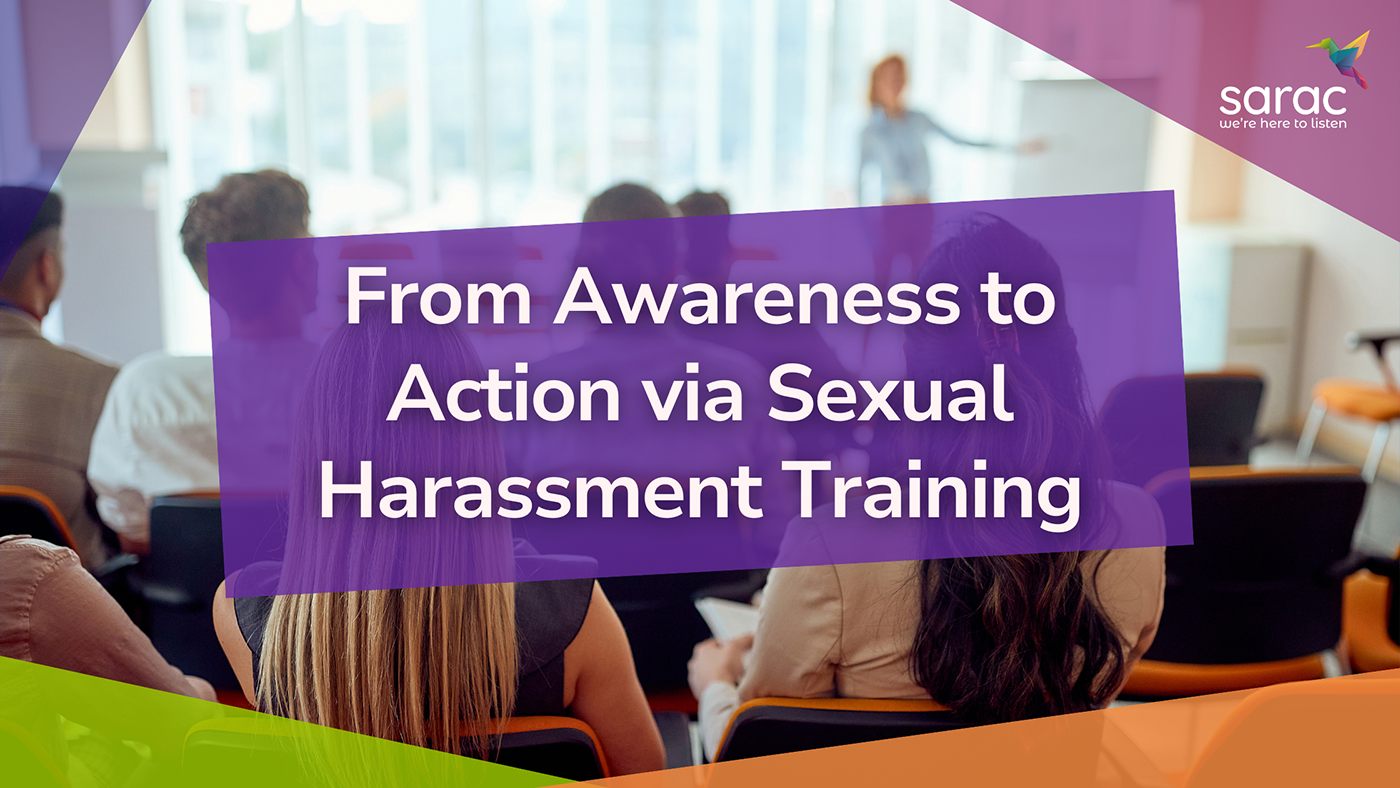
Meaningful sexual harassment training plays a key role in that cultural shift. When done well, it builds a shared understanding of what is and isn’t acceptable, and makes expectations clear at every level. It gives staff and managers the confidence to recognise concerns early, challenge behaviour appropriately and intervene before harm escalates. Over time, this helps create a culture of zero tolerance, where harassment is not minimised, excused or ignored.
Training is most effective when it is supported by strong policies, clear reporting routes and accessible, compassionate support. Employees need to know what will happen if they speak up, who they can talk to, and how they will be treated. Regular reviewing and auditing of processes ensures that safeguarding remains active, not performative.
A culture rooted in respect, inclusion and accountability is one where people feel safer, valued and able to speak up. Bystander intervention training empowers colleagues to support one another, while consistent responses to concerns build trust and confidence across teams.
There is also a clear legal responsibility for employers. In the UK, legislation now requires organisations to take reasonable steps to prevent sexual harassment, not simply respond after harm has occurred. Proactive training and clear systems are central to meeting this duty and reducing legal risk.
Beyond compliance, there are human and organisational benefits. Safer cultures lead to better morale, stronger engagement, lower turnover and healthier teams. Workplaces known for respect and fairness are more attractive to both employees and clients.
At its heart, preventing sexual harassment is not about certificates or policies alone. It is about changing culture. It is about creating environments where zero tolerance is real, where people feel protected, and where dignity and respect are part of everyday working life.
At SARAC, we believe safer workplaces lead to healthier people and stronger communities. Changing culture takes commitment, but it is one of the most powerful ways organisations can protect their people.
If you’re interested in making your workplace a safer, more respectful environment, SARAC provides specialist Sexual Harassment Training for businesses across the Midlands. By choosing SARAC, you’re not only investing in your people but helping to fund vital support for survivors of sexual abuse. Explore our training packages to learn more and begin your journey towards a safer workplace.